




Mental Health

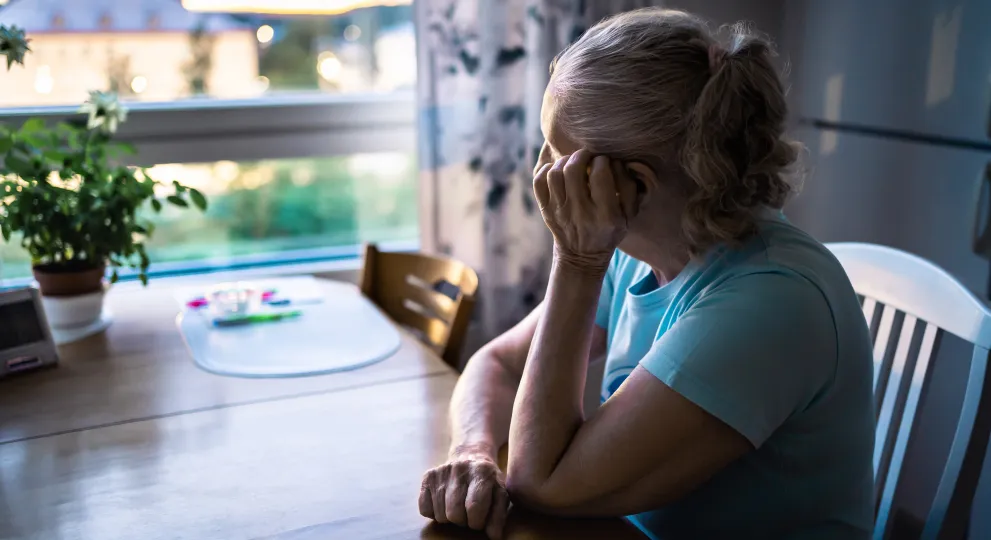
Being diagnosed with cancer can bring an unexpected emotion: grieving the future you once hoped for.
This is known as anticipatory grief, which means grief for losses that haven't happened yet. Anticipatory grief is real, and it's okay to feel it.
Anticipatory grief can take many forms. You might feel sadness, a loss of control, and even a change in your identity. You might grieve milestones you hoped to reach — a child's wedding, a retirement trip, a creative project you'd been putting off. You might mourn the version of yourself that felt healthy, capable, or in control. You might feel sadness about relationships that may change, or plans you'd made with people you love.
Allowing yourself to feel this grief is not a sign of giving up. In fact, acknowledging what you're losing may open space for something equally real: meaning, connection, and gratitude for what is still here. Processing your feelings may help you find moments of meaning in your life right now. It may help you feel more grateful for the parts of your life that matter most to you.
While you can't control what the future holds, you may find moments of meaning in the present. Research shows that using mindfulness techniques can support wellbeing and lower anxiety, even when you are living with cancer and uncertain about the future. Spending time with loved ones may also have a positive impact.
Sometimes grief can feel overwhelming — too big for a journal entry or a walk outside. If that's the case, speaking with a counselor, therapist, or cancer support specialist can help. Your care team can point you toward the right support.
Wherever you are in your cancer journey, these Microsteps –– small, science-backed actions –– may help you process your grief. As always, talk to your care team about personal health advice that’s right for you.
Writing a note to yourself about what you’re grieving — and what you’re grateful for.
It can be difficult to hold both grief and gratitude at once, and there's no right way to sort through it. Jot down any worries or sadness about the future you had planned, and what you’re grateful for right now. Writing about both your worries and what you’re grateful for can give you space to reflect on both.
Identifying one thing that brings you peace and comfort today.
It might be a conversation, time outside, or a quiet moment. Practicing mindfulness by focusing on what's meaningful right now can help anchor you when the future feels uncertain.
Scheduling half an hour to do something that is meaningful to you.
Whether it's painting, cooking, gardening, reading, or simply sitting somewhere you love, doing an activity that brings you joy can help you appreciate your life right now, potentially reducing worries about the future.
When thoughts about the future start to spiral, gently shifting your attention to the natural world around you.
You might notice the color of the sky, the way the light changes, or the feel of fresh air on your skin. Moments of awe in nature have been shown to lift mood and may even lower inflammation in the body. They can also give your mind a brief pause from worries about what lies ahead, helping you feel more connected to the present.
When you feel scared or sad about the future, gently repeating an affirmation that grounds you in the present.
Fear about what's ahead can feel like it takes over, and it's okay if it does sometimes. You might say, “Right now, I’m doing the best I can,” “In this moment, I can find a bit of calm,” or “I can ask for the support I need.” Affirmations have been shown to reduce stress and may make it a little easier to cope with difficult thoughts. You can even try talking to yourself using your name instead of “I.” Research suggests this small language shift may help create psychological distance and support emotional regulation under social stress.
Taking a moment each day for meditation, mindfulness or prayer.
For those who draw comfort from faith or spirituality, this might mean focusing on your breath, saying a short prayer, or talking with someone in your spiritual community. These practices have been linked with better mood, less anxiety, and lower stress, and can offer calm and support when you’re feeling sad or worried about the future.
When you have the energy, watching a short comedy or something that usually makes you smile.
Laughter can offer real relief on a hard day. Watching comedy may have a positive impact on quality of life and feelings of anxiety. It’s also accessible, convenient, and inexpensive, making it a valuable source of support for people living with cancer.
Grieving the future you planned can be a natural response to the uncertainty of a cancer diagnosis. Whatever you’re feeling today, you don’t have to carry it alone. Talk with your care team about how you’re feeling and what support may be right for you. You can also explore organizations such as Cancer Support Community for additional support and resources.


Want a more curated experience?
