


Moments Beyond Cancer


Maintaining your sense of self with MBC
An MBC diagnosis is deeply personal. It goes far beyond physical health and managing your new normal. It’s about living with it and staying connected to what matters most to you. A recent global survey found that most women with MBC reported the disease had a negative impact on their overall well-being, impacting everything from physical and emotional health to relationships and daily life.
Staying engaged in the small, meaningful activities that reflect who you are can be a powerful way to stay connected to yourself while living with MBC. Research suggests that this kind of engagement may also be associated with lower levels of fatigue, anxiety, and depressive symptoms. Small actions rooted in emotional well-being, community support, and lifestyle may help you stay connected to what matters most.
Click on one of the + symbols below to see the different actions by category, and discover small steps you can take to live with MBC on your terms.
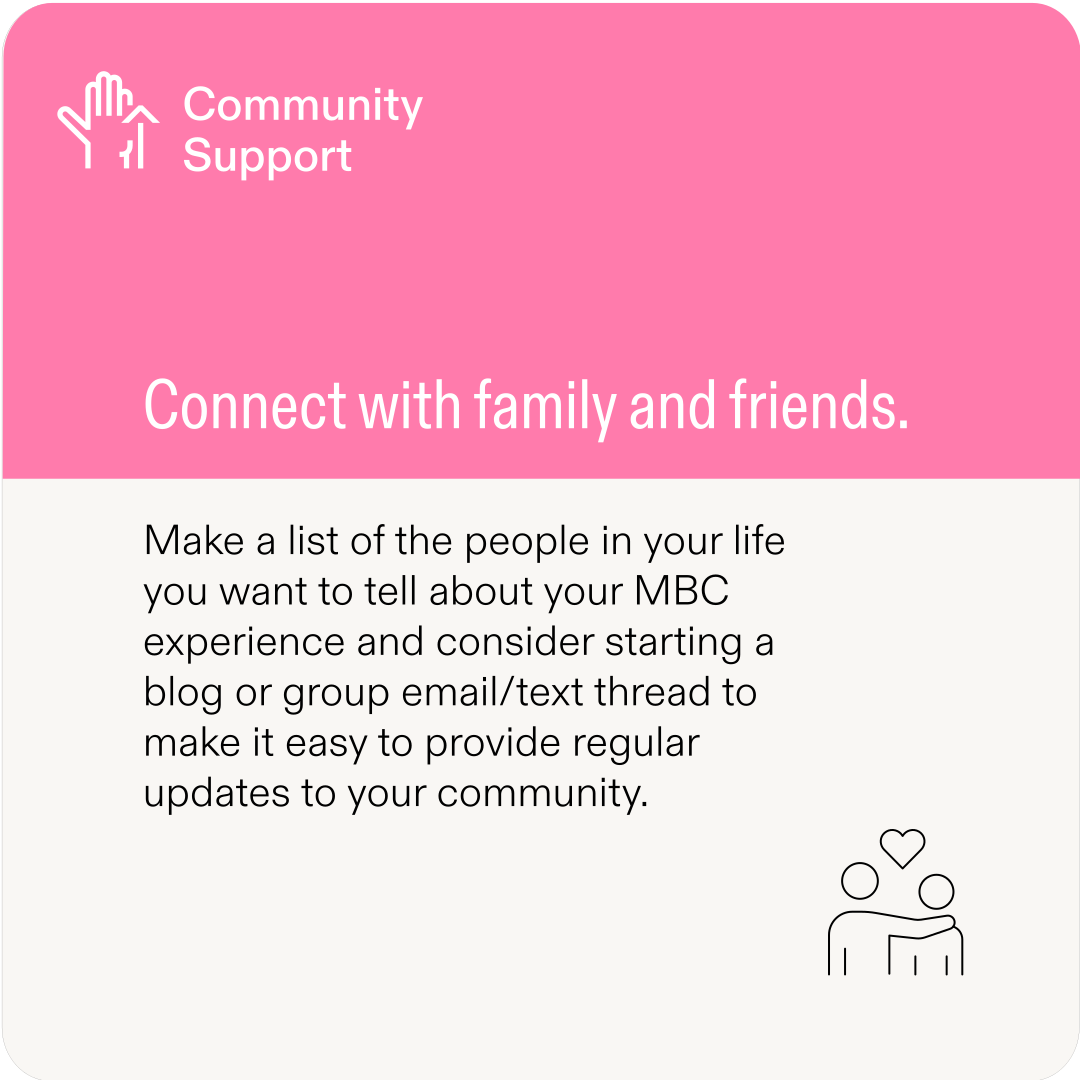
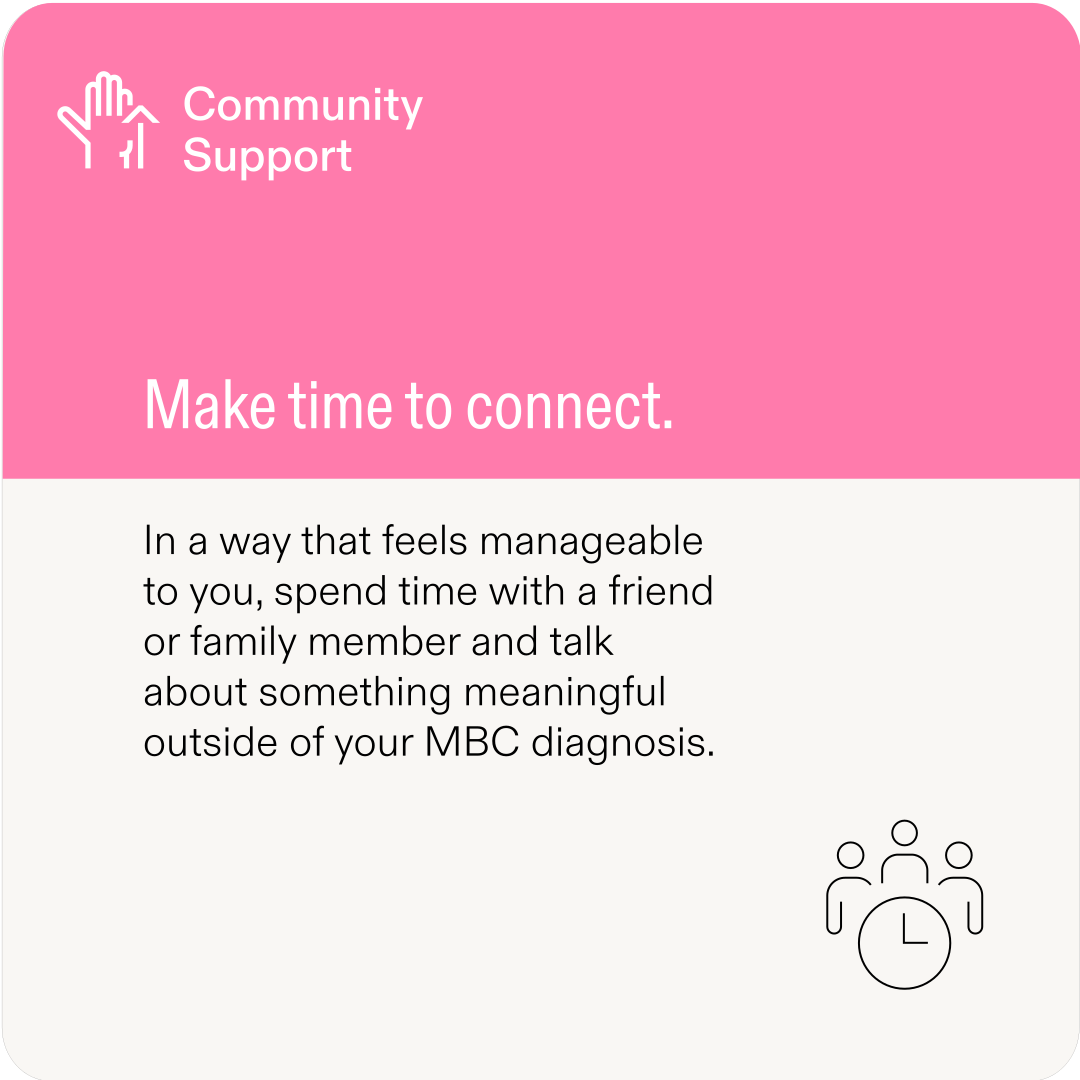
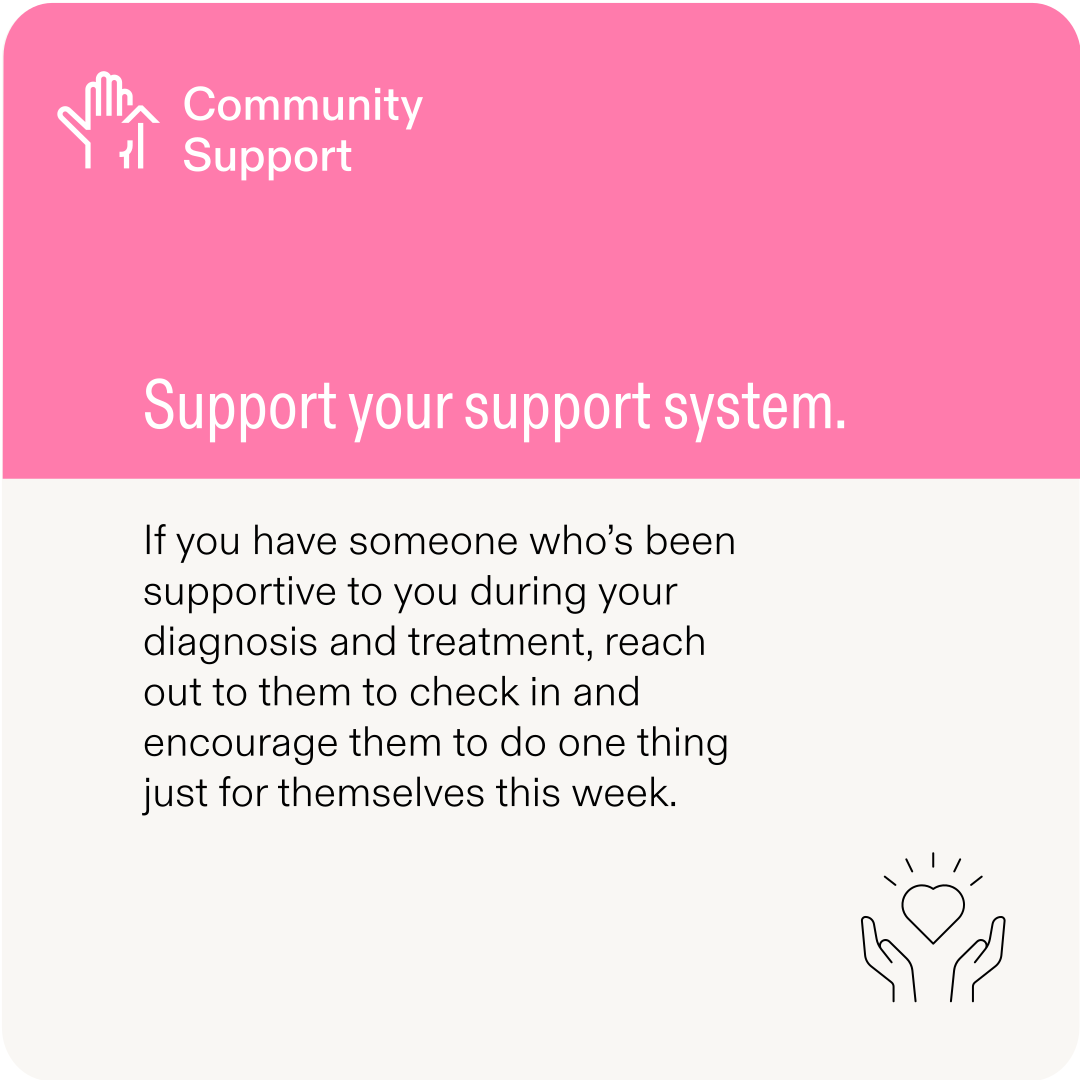
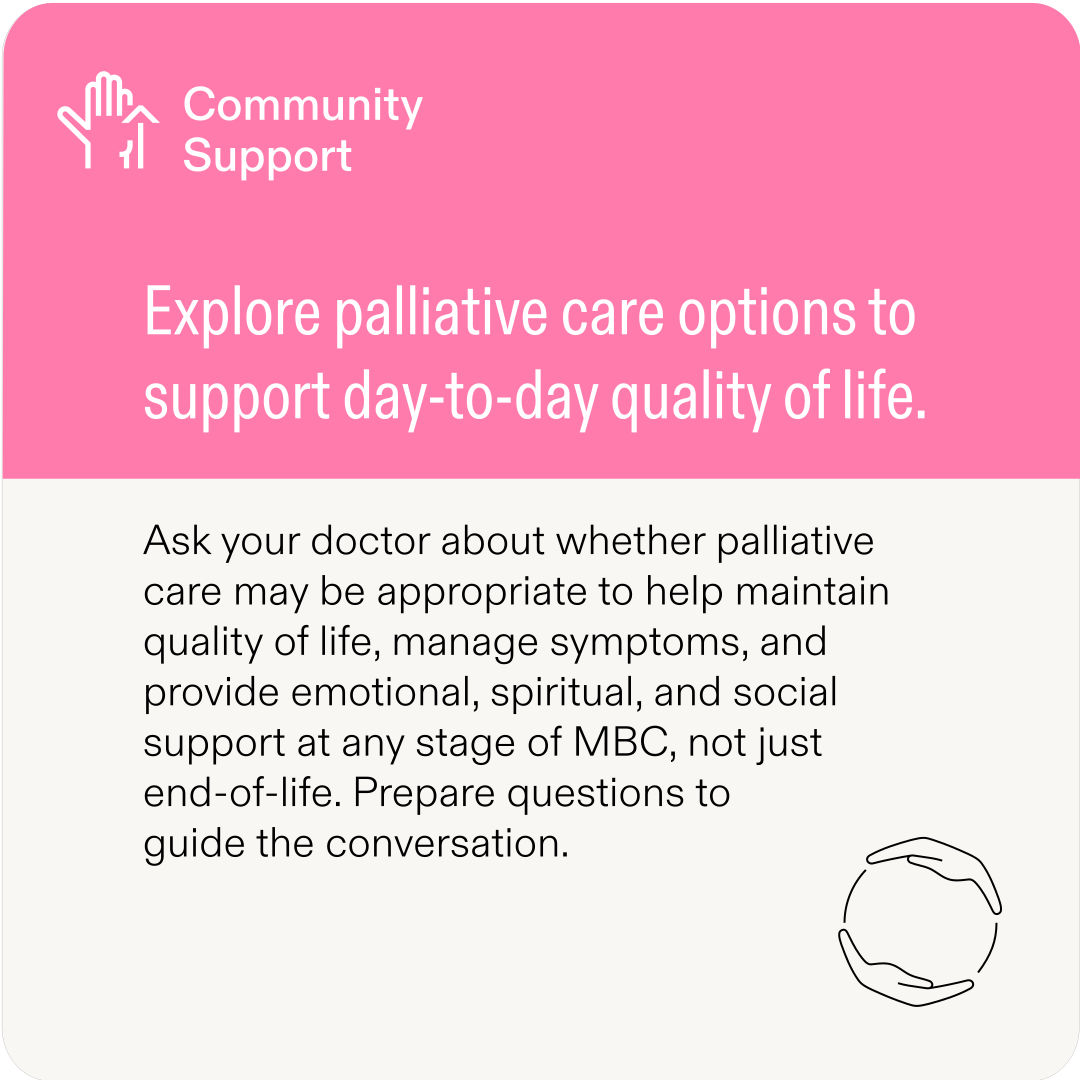
For many, living with MBC can mean navigating isolation, feeling misunderstood by those around you, growing distance in relationships, and a sense of losing yourself in the process. Seeking out and maintaining meaningful connections with others has been shown to help manage stress and improve overall well-being for people with MBC. Finding your community can be a meaningful source of strength.

Caring for your emotional well-being matters. MBC can impact nearly every part of daily life — not just physical health, but mood, identity, and connection with others. These emotional changes are common, and they’re valid. Small, self-directed actions, like identifying and naming how you feel, journaling, or reaching out for support have been linked to lower psychological distress among women with MBC.

You didn’t choose this path, but there’s still so much about how you live it that’s yours to decide. Small, everyday choices - how you move, what you wear, how you spend a quiet afternoon — can be a meaningful way to stay connected to yourself while navigating MBC.






Community Support
Feelings of isolation can be one of the overlooked challenges of living with MBC. Changing routines and sense of self can make it harder to stay connected to the people around you and the ongoing nature of the disease can leave people with metastatic disease feeling isolated from the broader breast cancer community. Staying connected to family, friends, support groups, or your care team may not always be easy, but taking small steps toward connection may help ease isolation and remind you of who you are and where you belong.

Emotional Well-being
Living with MBC often involves navigating uncertainty, anxiety, and emotional ups and downs alongside physical symptoms. Studies have found that emotional distress in women living with MBC, including depression and anxiety, is common. One study focused on younger women with MBC, found that roughly 1 in 3 reported clinically significant anxiety. If you’re feeling this way, you’re not alone. These experiences stress the importance of prioritizing your emotional well-being in addition to your physical health.

Lifestyle
MBC can bring changes to your body, your functional status, and your physical strength. It can disrupt your daily activities and even change your sense of purpose and what feels meaningful to you. Identifying personalized approaches to help you navigate these changes in a way that feels authentic to you is important. For some, that’s prioritizing self-care or finding new ways to keep your body moving or spend a quiet afternoon. For others, that’s rediscovering your sense of purpose or new ways to nourish your body. Adopting small, creative lifestyle changes may help you find a renewed outlook.