


Taking a break from prostate cancer treatment
Taking a break from prostate cancer treatment


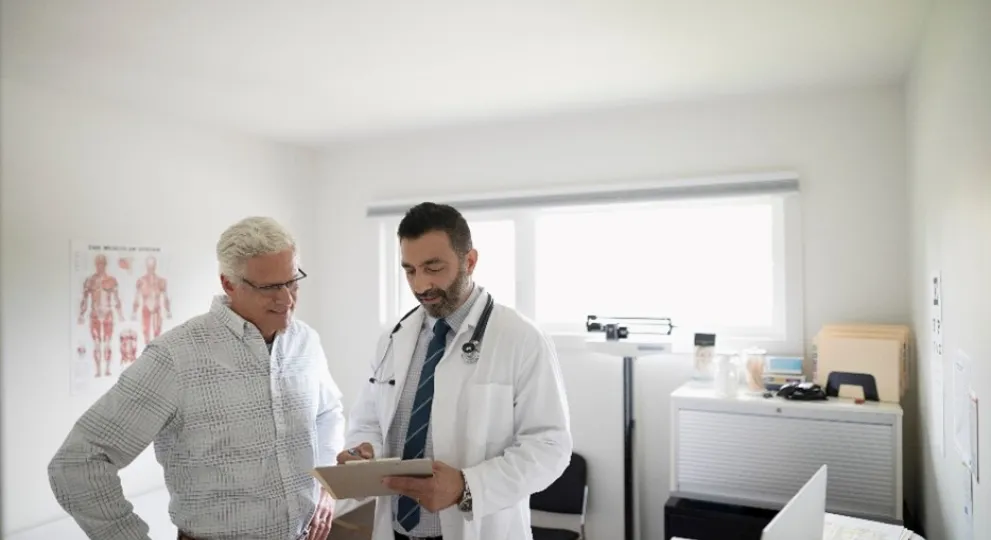
What is a treatment break?
A treatment break, also known as a treatment holiday, drug holiday or ‘medication vacation’, is a period of time where someone on treatment goes without taking their treatment. This is a conscious decision that is made with doctors and the care team. Treatment breaks can only be taken if they are agreed upon by both the care team and the patient.
Treatment breaks can happen in two ways – planned or unplanned. The length of a treatment break can vary widely from person to person, depending on your individual treatment plan and medical guidance.
Having a break from prostate cancer treatment
If you’re living with prostate cancer, there may be different reasons for taking a treatment break. Below we’ve shared some of the most common reasons.
- Planned breaks
It may be that you’re in between different types of treatment – for example, you’ve had chemotherapy and are waiting for your next treatment. Or you’re between cycles of treatment. You may also have a break during treatment because your prostate-specific antigen (also known as PSA) levels have reduced so much they are undetectable.
Or it may be possible to plan a treatment break for an upcoming milestone, such as a special event, trip or holiday. If you have an upcoming milestone, speak with your care team about what is possible.
- Unplanned breaks
You may be recommended a break because treatment is causing unpleasant side effects. Some medicines for prostate cancer work by lowering levels of hormones, including testosterone, in the body. This may cause side effects that affect day-to-day life and reduce quality of life, such as loss of libido (interest in sex), weight gain, fatigue (extreme tiredness), brain changes, and weaker bones and muscles. They may also increase your risk of heart disease – you can read more about that here.
It may be possible to take a break from treatment to allow your hormone levels to rebound and help with managing the side effects.
- Breaks to lower the chance of drug resistance
- Over time, medicines that lower hormone levels, or block the action of hormones, may begin to work less effectively. This is known as resistance. Having a break from treatment may help slow down or delay resistance. But this approach may not be suitable for everyone.
- Over time, medicines that lower hormone levels, or block the action of hormones, may begin to work less effectively. This is known as resistance. Having a break from treatment may help slow down or delay resistance. But this approach may not be suitable for everyone.
The length of possible treatment break varies from person to person. If there is no sign of cancer in the body, it may be possible to take a break for up to several months or more.
Commonly asked questions and answers on treatment breaks
There are a lot of things to consider before having a break from treatment. Below we’ve listed some commonly asked questions and shared some answers. These may help you to understand whether a treatment break is for you and what is needed if you do take one. Remember, any treatment break decisions must be made together with your care team.
- What should I consider before taking a break?
- Everyone’s situation is unique. Different people have different things to think about, but some common considerations include:
- Your reason(s) – being sure of this will help you have important conversations with your doctor and healthcare team.
- How you’ve responded to treatment so far – your doctor and healthcare team will carefully look at the results from your medical tests to see how well you’ve been responding to treatment to date.
- The type and stage of prostate cancer you have – this information is important for understanding what is possible for you.
- All the possible risks and benefits of pausing treatment – make sure you talk these through with your doctor.
- Have a conversation with your doctor about how long is possible on your treatment break.
- If you plan to travel while on your treatment break, look into your insurance before leaving to ensure you are covered.
- Everyone’s situation is unique. Different people have different things to think about, but some common considerations include:
- What should I do/look out for when I’m on my treatment break?
- Keep an eye out for any new, worsening or unusual symptoms you’re experiencing. Remember, that some side effects can appear a few weeks or months after you have had your last dose of treatment. These are known as delayed side effects, and if you experience these, it’s important that you report these to your healthcare team as soon as you notice them.
- Any change in your health or wellbeing – even if you don’t think it’s related to your prostate cancer or treatment break, it’s important to record these changes and speak to your doctor about them. It could be a good idea to encourage your friends and family to keep an eye out too – it could be that they notice something you haven’t yourself.
- Carry medical information with you at all times – this is important in case you need any medical care at times you’re away from home.10 The LivingWith app allows you to track your health and wellbeing and keep important medical information such as test and scan results all in one place.
- How do I keep in touch with my medical team during a treatment break?
- Before you take a break, make sure you know how often you will see your care team when you’re off treatment. Always know when and where your next touchpoint is and be clear on what’s needed before and during the appointment.
- Also make sure you know how to contact your care team if you need them. You may have a primary point of contact, or you may have a few – it depends. Save the information on your phone and consider giving it to a friend, family member or loved one, so they can support you if needed.
- Some helpful information to keep includes:
- Name
- Role
- Department
- Contact number
- Email address
- What should I do to take care of myself during my treatment break?
- Keep doing the things you do to help keep yourself strong and healthy when you’re having treatment, such as eating well and getting regular exercise.
- Eating well is important to support your body’s strength and energy levels. Get a good balance of carbohydrates, fats and proteins, complete with vitamins and minerals to support bodily functions.
- Check out the nutrition section of ThisIsLivingWithCancer.com for more information on diet.
- Exercising regularly is important for the body. It has many benefits, from improving heart health to taking care of your bones, muscles and joints. As always, consult with your care team for the exercise options that are best for you.
- Check out the staying active section of ThisIsLivingWithCancer.com for more information on exercise.
- Can I extend my treatment holiday? Or end it sooner than planned?
- Know your options if you wish to shorten or extend your treatment – you can usually shorten a treatment break, but it may not be possible to extend it.11 If this could be important to you, speak with your doctor before you start your break so you know what to expect.
- Are treatment breaks safe?
- It’s never possible to say that something is completely safe, but there is evidence indicating that having a structured treatment break may not significantly affect prostate cancer treatment outcomes. In a review of clinical trials involving almost 7,000 people with prostate cancer, having a break in treatment didn’t significantly affect survival or cancer progression.
If you’re thinking about a treatment break…
We hope the information here has been helpful and you now know more about treatment breaks. If you think you would like or need a treatment break, or have any questions about them, speak to your doctor. They will be able to give you guidance and support based on your individual situation. Remember, treatment breaks are a real option, when agreed upon with your doctor, for people living with prostate cancer, so don’t be afraid to ask.