


Ways to support your bone health when living with prostate cancer
Ways to support your bone health when living with prostate cancer


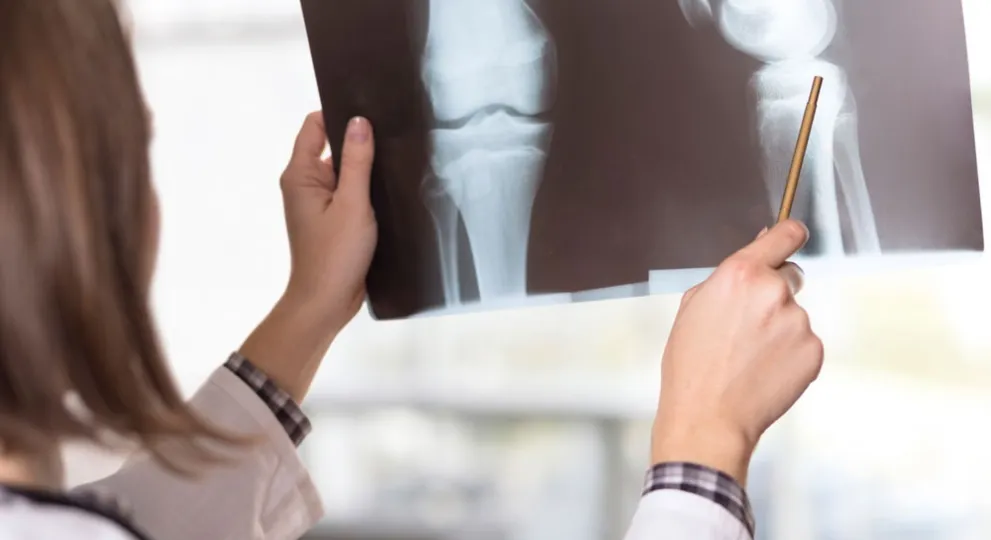
If you’re living with prostate cancer, you may have had many conversations about your prostate health. But have you thought about your bone health? This is an important area of health to consider, particularly if you’re having hormone therapy for your prostate cancer.
Hormone therapies for prostate cancer work by lowering levels of male sex hormones, such as testosterone, in the body, or by blocking the actions of the male sex hormones. These treatments help to slow the growth of prostate cancer cells but may also cause the bones to get thinner and weaker, which can lead to a condition known as osteoporosis. It may also increase the risk of bone fractures.
Some people with certain risk factors may have an increased risk for bone problems than others. These include:
- Being 70 years old or older
- Having a family history of osteoporosis
- Having had a previous fracture
- Having experienced height loss (more than 3cms)
- Using tobacco products or drink excessive amounts of alcohol
- Having comorbidities such as celiac disease (gluten intolerance), diabetes or rheumatoid arthritis
- Having chronic kidney or liver disease
Bone health is also an important consideration for people with metastatic prostate cancer that has spread to the bones. The cancer cells that are found in the bones may affect the normal formation of bone. This can lead to pain and an increased risk of fractures. In more serious cases, prostate cancer that has travelled to the bones may cause problems with the spinal cord (known as spinal cord compression).
Looking after your bone health when living with prostate cancer
If you’re having hormone therapy for prostate cancer or are living with prostate cancer that has spread to the bones, your bones may have become weaker over time. Having weaker bones increases your risk of developing osteoporosis, fractures and other bone problems.
Below are some small steps you can take that may help you strengthen your bones. Remember to speak with your care team about any bone health concerns you may have.
Exercise
This can improve your bone health, as well as your muscle mass, strength, balance and overall physical function. Different types of exercise can support your health in different ways.
Weight-bearing exercises can help you strengthen your bones and muscles, whereas cardiovascular exercise, such as walking, swimming or cycling, helps with heart health. Weight-bearing exercises involve using weight machines, free weights or resistance bands to strengthen the muscles. Some exercises like lunges or squats can be done using body weight alone.
Access exercises that you can do in the comfort of your own home. Remember to speak with your doctor before trying any new exercises.
Supplements
You may already be taking supplements to support your bone health, or you may wish to consider starting them. Calcium and vitamin D are particularly important nutrients for bone health. Calcium helps strengthen the bones, and vitamin D allows the body to absorb calcium and supports the muscles.
You can take these nutrients in through your diet, and vitamin D can be absorbed through sunlight, but these levels may not be high enough to support you if you’re living with prostate cancer – so this is where supplements may come in. Remember to speak with your doctor before trying any new supplements.
Medication
If bone health concerns persist after adding exercise and supplements to your routine, then your doctor may recommend medication to support your bone health. These medicines work by slowing down the natural breakdown of bone – which may happen quicker when on hormone therapy or when cancer has spread to the bones – and may improve bone density and strength.
When living with prostate cancer, it’s important to have a good partnership and communication with your health team. Be sure to talk to them about all elements of your health and how to take care of yourself. Don’t hesitate to reach out to them if you notice any new, unusual, or worsening symptoms.
We hope you find these tips for bone health helpful. Remember, it’s important to speak with your care team before starting any new diet, exercise or intervention for your bone health. They will be able to let you know what’s suitable for your individual situation.